
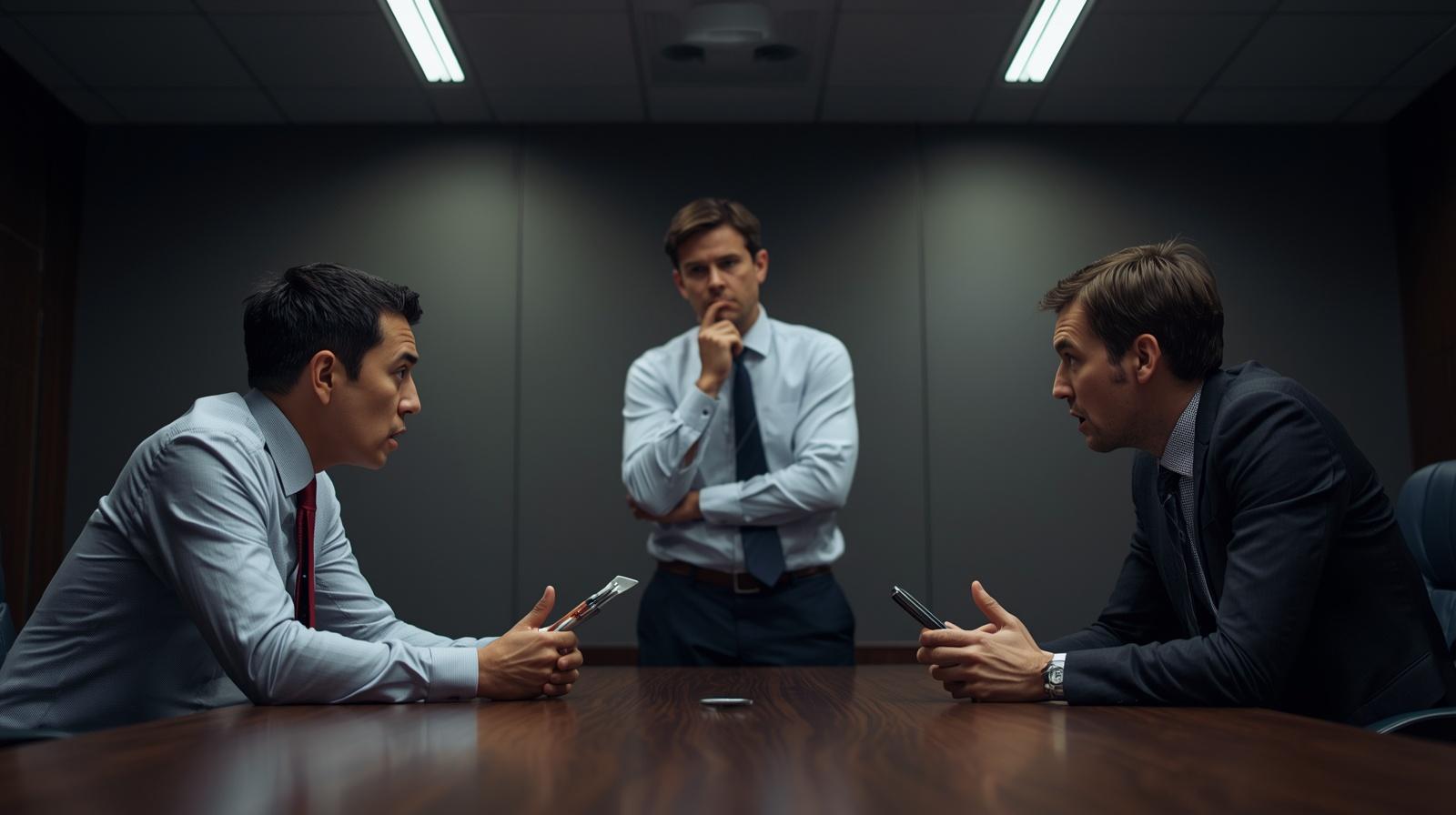
When Two Managers Don’t Get Along. Should the CEO Get Involved?
Mary Kelly Leadership Economist | Keynote Speaker | Conference & Training Programs
Every CEO eventually faces this scenario: two capable, experienced managers who are both vital to the organization simply cannot work together.
Maybe it’s personality. Maybe it’s ego. Maybe it’s a turf war over territory or resources. Sometimes it’s an old grievance that never got resolved and has become organizational folklore. Or it could be as simple as two competent professionals with fundamentally different communication styles.
I talking with a credit union CEO last week, and we discussed this situation that is in his organization. Two exceptionally good branch managers are not getting along. Is it the CEO’s job to step in and fix it? In most cases, the answer is no. Not because the CEO doesn’t care, but because premature CEO involvement often creates more problems than it solves.
The Precedent Problem
When the CEO becomes the referee for peer conflicts, the organization learns an unhealthy lesson: “If we fight long enough, the CEO will intervene.” This sets a dangerous precedent. It encourages escalation instead of accountability, teaches managers to bypass their supervisors, and undermines the very leadership structure the CEO is working to strengthen.
In a credit union, or any organization where culture, trust, and member experience are everything, this kind of leadership dynamic spreads quickly.
Who Owns What
The framework is clear. The CEO owns the culture and standards. The branch supervisor owns people management and day-to-day behavior.
When two branch managers struggle to work together, the first line of resolution should almost always be the person who directly oversees them, typically a branch supervisor, regional leader, or VP of operations. That’s not delegating the problem. That’s defining the role.
Leadership isn’t just about assigning tasks and tracking performance. It’s about helping people work through friction, so the work gets done. If a supervisor can’t guide two managers toward professionalism and collaboration, the organization has a leadership gap that will resurface repeatedly.
The Goal Isn’t Friendship
The supervisor shouldn’t try to make the managers best friends. That’s not the objective. The objective is to make them effective.
A strong supervisor resolves most peer conflicts by forcing alignment around practical, business-focused issues:
- What does professional communication look like here?
- Who owns which decisions?
- How do we handle handoffs between branches?
- What gets escalated and what gets solved directly?
- What is the standard for cooperation?
This doesn’t need to be emotional. It needs to be operational.
When the CEO Must Step In
CEOs can’t ignore dysfunction forever. But the threshold for intervention should be clear because the CEO’s role isn’t to be an emotional mediator. It’s to protect the organization.
When member experience suffers. If the conflict creates inconsistent service, confused staff, or unresolved problems, it’s no longer a personality issue, it’s an operational issue. And operational issues quickly become reputation issues.
When HR or compliance risk emerges. If the conflict involves bullying, harassment, retaliation, discrimination, or anything creating a hostile environment, it’s no longer just two managers who don’t get along. It’s a legal and ethical concern that demands immediate CEO attention.
When the supervisor isn’t doing their job. This is more common than many executives want to admit. If the supervisor is conflict-avoidant, inconsistent, playing favorites, or quietly enabling the feud, the CEO must intervene, not to fix the managers’ relationship, but to address the leadership failure.
When the conflict shapes the culture. In close-knit organizations like credit unions, visible dysfunction is contagious. Staff take sides. Gossip spreads. Collaboration erodes. Teams mirror the passive-aggressive behaviors they see from leaders. At that point, the CEO has no choice. Culture is always a CEO-level responsibility.
How the CEO Should Intervene
Even when intervention is necessary, the CEO’s role must be specific. The CEO shouldn’t become the therapist. The CEO is the one who sets the standards.
That means the CEO’s message should sound like this:
- “Here is the behavior we expect from leaders.”
- “Here is what collaboration looks like in this organization.”
- “Here is the business outcome required.”
- “Here is what happens if this doesn’t change.”
Then the CEO hands day-to-day execution back to the supervisor. The goal is leadership accountability. And the consequences are clear. If this doesn’t change, one or both of you is gone.
A Structured Approach
Step 1: The supervisor conducts an alignment meeting. Both managers attend. The supervisor requires agreement on communication standards, decision rights, and commitment to member service. This gets documented in a simple one-page “rules of engagement.” It doesn’t need to be dramatic, but it does need to be clear.
Step 2: The CEO reinforces culture expectations. Without turning the conflict into gossip, the CEO reminds all leaders that this organization solves problems at the lowest level, doesn’t tolerate triangulation, and expects managers to behave like professionals.
Step 3: Leadership holds people accountable. If either manager refuses to cooperate, leadership treats it as what it is: a performance issue. A manager who cannot work with peers isn’t functioning as a manager. That’s one of the most expensive leadership problems an organization can have.
The Bottom Line
The CEO isn’t responsible for fixing every relationship. But the CEO is responsible for ensuring the leadership system works. The supervisor is responsible for coaching, correcting, and requiring collaboration. The managers are responsible for doing what leaders do, which is working with others even when it isn’t comfortable.
Because leadership is tough.
And leadership is about getting the work done together.
0 Comments